
Have you ever noticed that stress can upset your stomach? Or that when you’re anxious, you experience digestive discomfort such as bloating, cramps or changes in bowel habits?
These experiences are far from coincidental.
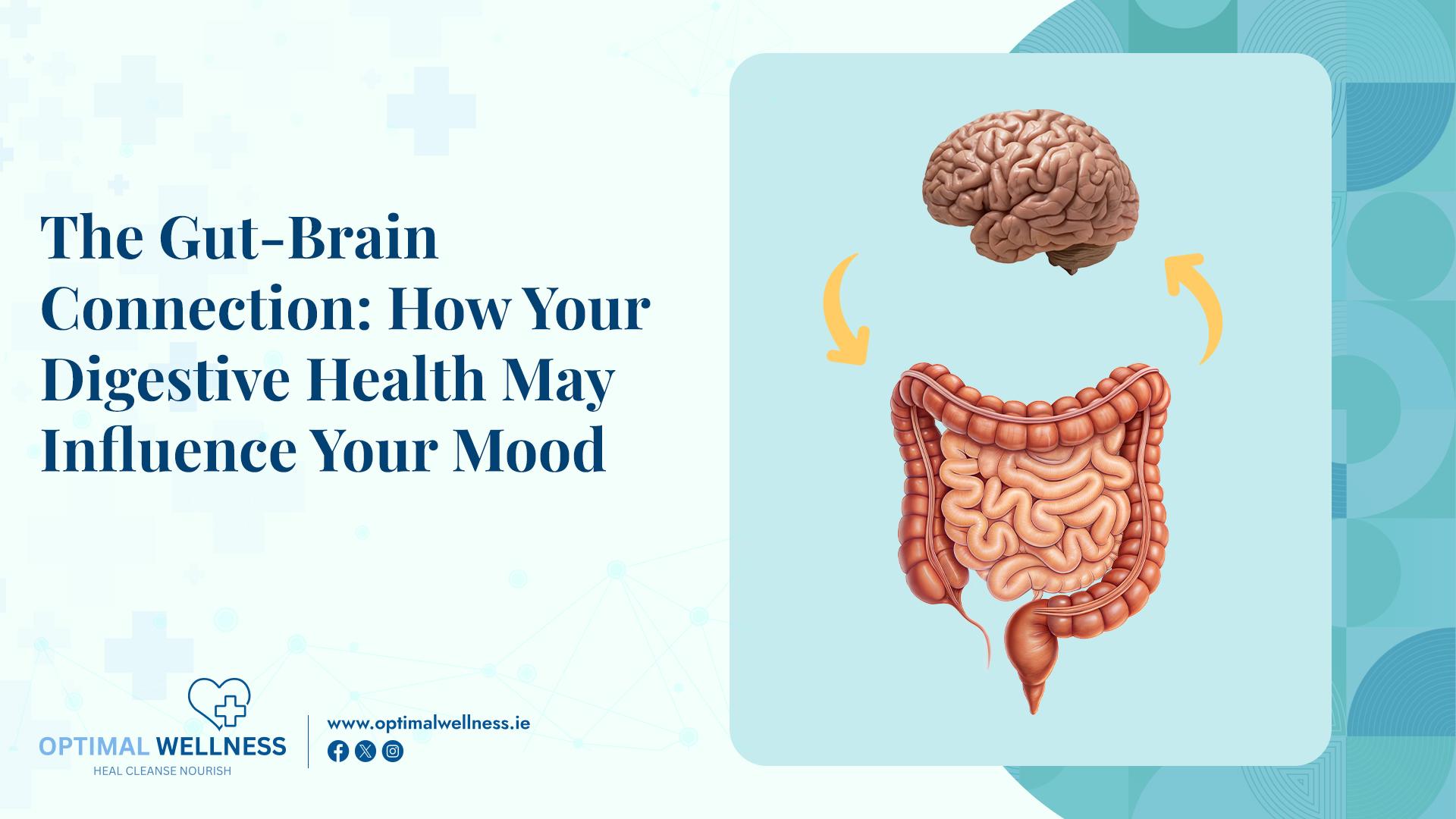
Scientists now understand that the gut and brain are in constant communication through a complex network known as the gut-brain axis. This two-way communication system explains why our emotional health can affect digestion—and why our digestive health may influence how we feel emotionally.
Although digestive health is only one piece of the mental wellbeing puzzle, growing research suggests that maintaining a healthy gut microbiome, eating a balanced diet and supporting overall digestive wellness may contribute to better emotional health.
At Optimal Wellness, we believe true wellness involves caring for both the body and the mind. In this article, we’ll explore the fascinating relationship between gut health and mood, explain what current research tells us and share practical ways to support your wellbeing naturally.
Why Is the Gut Called the “Second Brain”?
The digestive system contains an extensive network of nerves known as the enteric nervous system. With more than 100 million nerve cells, this network controls many digestive functions independently of the brain.
Because of its complexity, the gut is often referred to as the body’s “second brain.”
While the gut doesn’t think in the way the brain does, it constantly exchanges information with the central nervous system through the vagus nerve, hormones and immune signals.
This communication influences both digestion and emotional wellbeing.
Understanding the Gut-Brain Axis
The gut-brain axis is a two-way communication pathway linking the digestive system and the brain.
When you’re stressed or anxious, the brain can influence:
- Digestion
- Appetite
- Bowel movements
- Stomach discomfort
- Bloating
At the same time, changes within the digestive system may influence:
- Mood
- Stress responses
- Emotional regulation
- General wellbeing
Researchers continue to study this relationship, but it’s clear that both systems work closely together.
The Role of the Gut Microbiome
Inside your digestive tract live trillions of bacteria, fungi and other microorganisms collectively known as the gut microbiome.
These microorganisms perform many essential functions, including:
- Supporting digestion
- Producing certain vitamins
- Helping regulate the immune system
- Maintaining the gut lining
- Producing compounds that communicate with the nervous system
A diverse and balanced microbiome is increasingly recognised as an important contributor to overall health.
Serotonin and the Gut
One reason the gut receives so much attention is its relationship with serotonin.
Serotonin is a neurotransmitter involved in regulating mood, sleep and appetite.
Interestingly, a large proportion of the body’s serotonin is produced in the digestive tract. While this serotonin does not directly enter the brain, it plays important roles in digestive function and highlights the close connection between the gut and the nervous system.
Scientists continue to investigate how gut bacteria influence the production of signalling molecules that communicate with the brain.
Can Digestive Health Affect Mood?
Research into the gut-brain axis is evolving, and while it does not show that digestive therapies can treat anxiety or depression, it does suggest that gut health may play a supportive role in overall emotional wellbeing.
For example, studies have found associations between changes in the gut microbiome and mental health conditions. However, these relationships are complex, and more research is needed to determine cause and effect.
Mental wellbeing is influenced by many factors, including genetics, life experiences, physical health, sleep, stress, social connections and nutrition. Digestive health is one part of this broader picture—not the whole story.
Everyday Habits That Support Both Gut and Brain Health
Eat a Fibre-Rich Diet
Fibre nourishes beneficial gut bacteria, helping them produce compounds that support a healthy digestive environment.
Include foods such as:
- Vegetables
- Fruit
- Oats
- Beans
- Lentils
- Whole grains
- Nuts
- Seeds
Enjoy Fermented Foods
Fermented foods naturally contain live cultures that may help support microbial diversity.
Examples include:
- Natural yoghurt
- Kefir
- Kimchi
- Sauerkraut
- Miso
Stay Hydrated
Water supports healthy digestion, bowel function and overall wellbeing.
Aim to drink regularly throughout the day.
Exercise Regularly
Physical activity benefits both the brain and digestive system.
Regular movement may help:
- Reduce stress
- Improve sleep
- Support digestion
- Promote overall wellbeing
Even a daily walk can make a positive difference.
Prioritise Quality Sleep
Sleep is essential for emotional resilience and digestive health.
Adults should aim for seven to nine hours of quality sleep whenever possible.
Manage Stress
Because stress directly affects digestion, finding healthy ways to manage it can benefit both your gut and your mood.
Helpful practices include:
- Mindfulness
- Deep breathing
- Yoga
- Meditation
- Spending time outdoors
- Connecting with family and friends
The Importance of a Healthy Digestive Routine
Digestive wellbeing isn’t only about avoiding discomfort. Healthy habits such as eating balanced meals, staying active, drinking enough water and maintaining regular bowel movements all contribute to overall wellness.
Many people find that when they feel better physically, they also experience improvements in energy levels, motivation and day-to-day quality of life.
Where Does Colon Hydrotherapy Fit In?
Colon hydrotherapy is a wellness treatment that some individuals choose as part of their broader health routine.
The treatment involves gently introducing warm, filtered water into the colon under the supervision of a trained practitioner.
Clients often report feeling:
- Less bloated
- More comfortable
- Refreshed
- Lighter
- Motivated to maintain healthier habits
However, it’s important to be clear that there is no reliable scientific evidence that colon hydrotherapy treats anxiety, depression or other mental health conditions.
Mental health conditions are complex and deserve appropriate care from qualified healthcare professionals.
Colon hydrotherapy should be viewed as one element of a holistic wellness approach rather than a treatment for psychological conditions.
A Holistic Approach to Emotional Wellbeing
Supporting emotional wellbeing involves looking after the whole person.
Some of the most effective evidence-based strategies include:
- Eating a nutritious diet
- Maintaining healthy digestion
- Exercising regularly
- Getting enough sleep
- Managing stress
- Staying socially connected
- Spending time in nature
- Seeking professional support when needed
Small, sustainable changes often have the greatest long-term impact.
When to Seek Professional Help
Everyone experiences stress from time to time, but persistent anxiety, low mood or depression should never be ignored.
If emotional difficulties begin affecting your daily life, relationships, sleep or work, it’s important to speak with your GP or a qualified mental health professional.
Seeking help is a positive step towards better health and wellbeing.
Supporting Wellness at Optimal Wellness
At Optimal Wellness, we believe that good health begins with balance. Digestive wellness, nutrition, movement, sleep and stress management all work together to support how we feel every day.
Our approach is centred on education, personalised care and evidence-informed wellness practices. Whether you’re interested in improving your digestive health or learning more about colon hydrotherapy, we’re here to provide professional guidance in a welcoming environment.
The connection between the gut and the brain is one of the most exciting areas of modern health research. While no single treatment can eliminate stress or anxiety, supporting your digestive health through balanced nutrition, healthy lifestyle habits and self-care may contribute to overall wellbeing.
Taking care of your gut is about much more than digestion. It means nourishing your body, supporting your immune system, encouraging a healthy microbiome and creating a strong foundation for lifelong health.
At Optimal Wellness, we’re committed to helping our clients understand the many ways digestive health influences overall wellness. If you’d like to learn more about our colon hydrotherapy services or how healthy lifestyle choices can support your wellbeing, we’d be delighted to welcome you.