Why IBS Awareness Month Matters More Than Ever
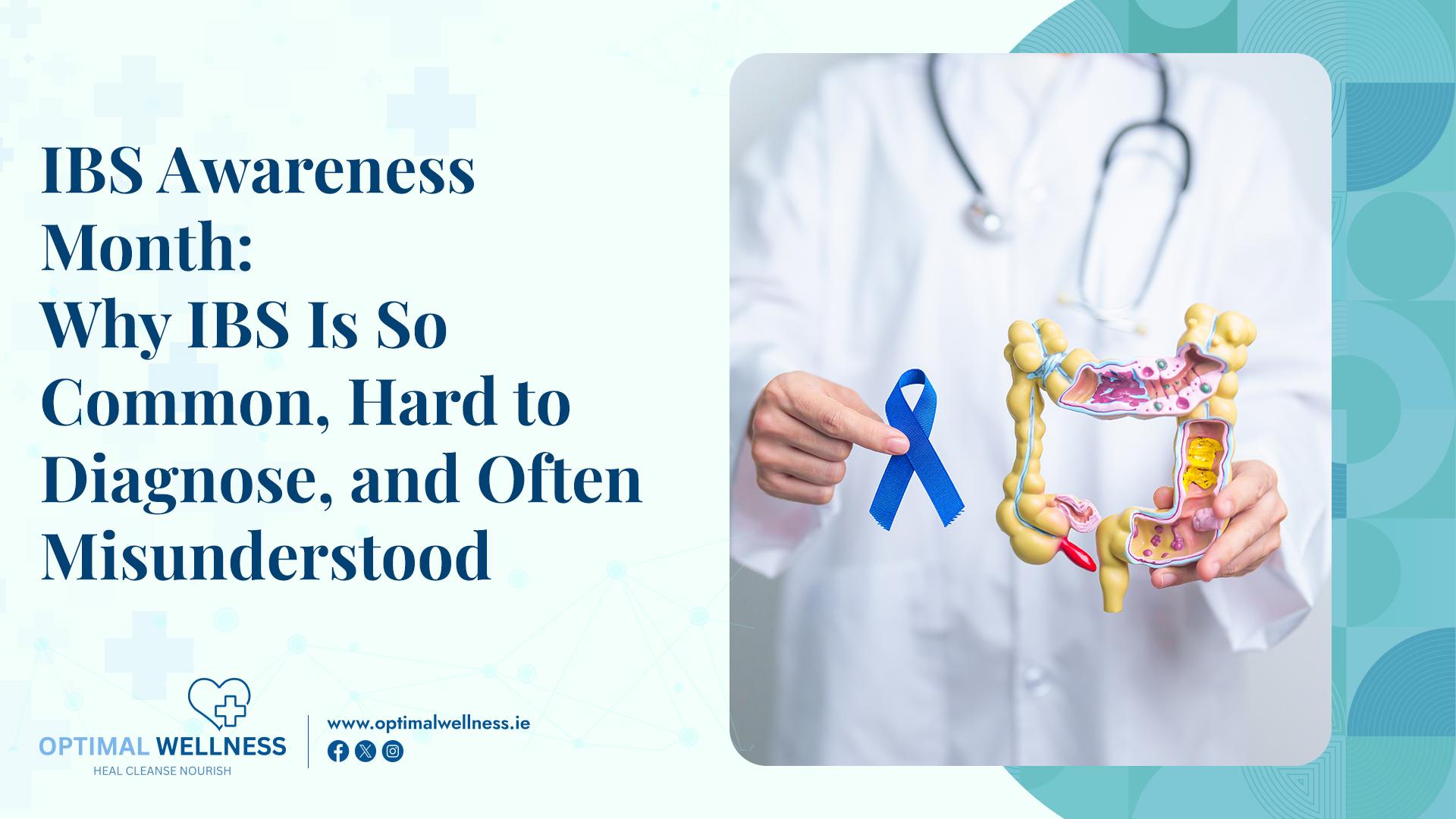
IBS Awareness Month is important because Irritable Bowel Syndrome is one of the most common gut conditions in the world, yet one of the most misunderstood.
In my clinic, I see it constantly.
Women come in saying they have been told they have IBS, but they still do not feel any clearer about what is actually going on in their body.
They are left managing symptoms like bloating, pain, constipation, diarrhoea or both, often with very little real explanation.
And what makes IBS so frustrating is that it is not a simple condition with a straightforward test or cure.
It is a label that is often given when other conditions have not been identified.
What Is IBS and Why Is It So Common
IBS stands for Irritable Bowel Syndrome.
It is a functional gut disorder, meaning the structure of the gut usually looks normal, but the function is disrupted.
It is estimated that IBS affects around 10 to 15 percent of the population, although many experts believe the real number is higher because so many people are undiagnosed or misdiagnosed.
It is more common in women than men, especially between the ages of 20 and 50.
In simple terms, IBS is a collection of symptoms rather than a single disease.
Is There Actually a Test for IBS?
This is one of the most important questions people ask.
The honest answer is no, there is no definitive test that confirms IBS.
There is no blood test, scan or single marker that says “you have IBS”.
Instead, IBS is diagnosed based on symptoms and by ruling out other conditions.
Doctors often use something called the Rome Criteria, which looks at:
- Abdominal pain
- Changes in bowel habits
- Duration and frequency of symptoms
But the key point is this.
IBS is a diagnosis of exclusion.
That means other conditions are ruled out first before IBS is confirmed.
This is why many people feel confused or uncertain after being diagnosed.
Why IBS Can Feel So Debilitating
IBS is often dismissed as “just a sensitive stomach,” but anyone who lives with it knows it is far more than that.
It can be physically and emotionally exhausting.
Common symptoms include:
- Severe bloating
- Abdominal pain and cramping
- Constipation or diarrhoea
- Urgency and unpredictable bowel movements
- Fatigue
- Nausea
- Food fear and anxiety around eating
What makes it particularly difficult is the unpredictability.
Many people feel fine one day and completely unwell the next, with no clear reason why.
This unpredictability can impact work, social life, travel, and mental wellbeing.
I often hear clients say they plan their entire day around their gut.
Why IBS Is Not Just a Gut Problem
One of the biggest misconceptions about IBS is that it is purely a digestive issue.
In reality, IBS is usually a multifactorial condition, meaning several systems in the body are involved.
This is why it is so complex.
The gut, nervous system, hormones, immune system and even the brain are all connected.
When one system is out of balance, it affects the others.
How IBS Can Overlap with Other Conditions
This is where things become even more complicated.
IBS symptoms can look very similar to other underlying issues.
1. Food Intolerances
Many people with IBS actually have undiagnosed food intolerances.
Common triggers include:
- Dairy
- Gluten
- High FODMAP foods
- Artificial additives
But food reactions are not always straightforward.
Sometimes symptoms appear hours or even days later, making it difficult to identify the trigger.
This is why elimination diets or structured testing can sometimes be helpful.
2. Gut Microbiome Imbalance
The gut microbiome plays a major role in IBS.
An imbalance of bacteria (often called dysbiosis) can lead to:
- Excess gas and bloating
- Irregular bowel movements
- Inflammation in the gut
- Sensitivity to certain foods
In my clinic, I see many IBS cases where gut bacteria imbalance is a key factor.
This is also where targeted nutrition and gut support become important.
3. Stress and the Nervous System
One of the most powerful influences on IBS symptoms is stress.
There is a direct connection between the brain and the gut, often called the gut-brain axis.
When stress levels are high, the body shifts into fight or flight mode.
This can:
- Slow digestion or speed it up
- Increase gut sensitivity
- Trigger cramping and pain
- Disrupt bowel movements
Many people notice their IBS symptoms flare during stressful periods.
This is not a coincidence. It is physiology.
4. Cortisol and Chronic Stress
Cortisol, your main stress hormone, also plays a role.
When cortisol is constantly elevated, it can:
- Affect gut permeability
- Disrupt digestion
- Increase inflammation
- Alter gut bacteria balance
Over time, this can worsen IBS symptoms and make the gut more reactive.
This is why stress management is often a core part of IBS support.
5. Medications
Certain medications can also mimic or worsen IBS symptoms.
These may include:
- Antibiotics (which alter gut bacteria)
- Antidepressants (which affect gut motility in some people)
- Pain medications
- Acid reducing medications
This does not mean medication is “bad”, but it does mean it should be considered when looking at gut symptoms.
Why IBS Is Often Misunderstood
One of the biggest challenges with IBS is that it does not show up clearly on standard tests.
Blood tests may come back normal. Scans may look normal.
Yet the person is still experiencing very real symptoms.
This can lead to frustration, anxiety and sometimes feeling dismissed.
What is often missing is a deeper look at:
- Gut microbiome health
- Food reactions
- Nervous system balance
- Lifestyle factors
- Hormonal influences
IBS is not imaginary. It is complex.
The Gut-Brain Connection in IBS
One of the most important areas of research in recent years is the gut-brain connection.
The gut and brain communicate constantly through nerves, hormones and chemical signals.
This means:
- Stress affects digestion
- Digestion affects mood
- Mood affects gut sensitivity
This cycle can either support healing or keep symptoms going.
Breaking that cycle is key in IBS support.
Supporting IBS Through a Holistic Approach
There is no single solution for IBS, but there are many supportive strategies that can make a real difference.
In clinical practice, support often includes:
- Identifying trigger foods
- Supporting gut microbiome balance
- Improving digestion and regularity
- Reducing stress load
- Supporting nervous system regulation
- Personalised nutrition and lifestyle changes
In some cases, supporting elimination and bowel function can also be helpful for reducing symptoms like bloating and sluggish digestion.
Where Gut Health Treatments May Support IBS
For some clients, especially those with constipation or significant bloating, additional gut support may be beneficial.
In my clinic, this may include colon hydrotherapy in Dublin as part of a broader gut health plan.
It is not a treatment for IBS itself, but it can support:
- Bowel regularity
- Reduction of bloating
- Feeling lighter and less uncomfortable
- Overall digestive support
It is always used alongside nutrition and lifestyle changes, not instead of them.
Why Personalised Support Matters So Much
No two IBS cases are the same.
One person may react to dairy. Another to stress. Another to specific carbohydrates.
This is why a one size fits all approach rarely works.
The most effective support is always personalised and based on the individual.
Final Thoughts on IBS Awareness Month
IBS Awareness Month is a reminder that gut symptoms are real, complex and often misunderstood.
IBS is not just “a sensitive stomach”.
It is a condition influenced by food, stress, gut bacteria, hormones, medications and the nervous system.
And while there may not always be a single clear test, there is always a reason behind the symptoms.
When we start to look at the body as a whole system, not isolated parts, real progress becomes possible.
Support for Gut Health in Dublin
If you are struggling with IBS symptoms such as bloating, pain, irregular bowel movements or food sensitivities, support is available.
At Optimal Wellness, I work with clients to understand the root causes of gut symptoms using a personalised approach that may include nutrition, lifestyle changes and colon hydrotherapy in Dublin where appropriate. www.optimalwellness.ie