Multiple Sclerosis (MS) is a complex and often life-altering condition that affects the central nervous system, disrupting the flow of information between the brain and the body. While the exact causes of MS remain unclear, growing research points to the role of gut health in managing its symptoms and progression. At the same time, therapies like colon hydrotherapy (commonly referred to as colonics) are gaining attention for their potential to support overall wellness, including gut health.
The gut and brain are intricately connected through the gut-brain axis, a communication network that links the digestive system and the nervous system. In recent years, research has revealed that the health of the gut microbiome—the trillions of bacteria, fungi, and other microorganisms living in your digestive tract—plays a crucial role in immune function and inflammation, both of which are key factors in MS.
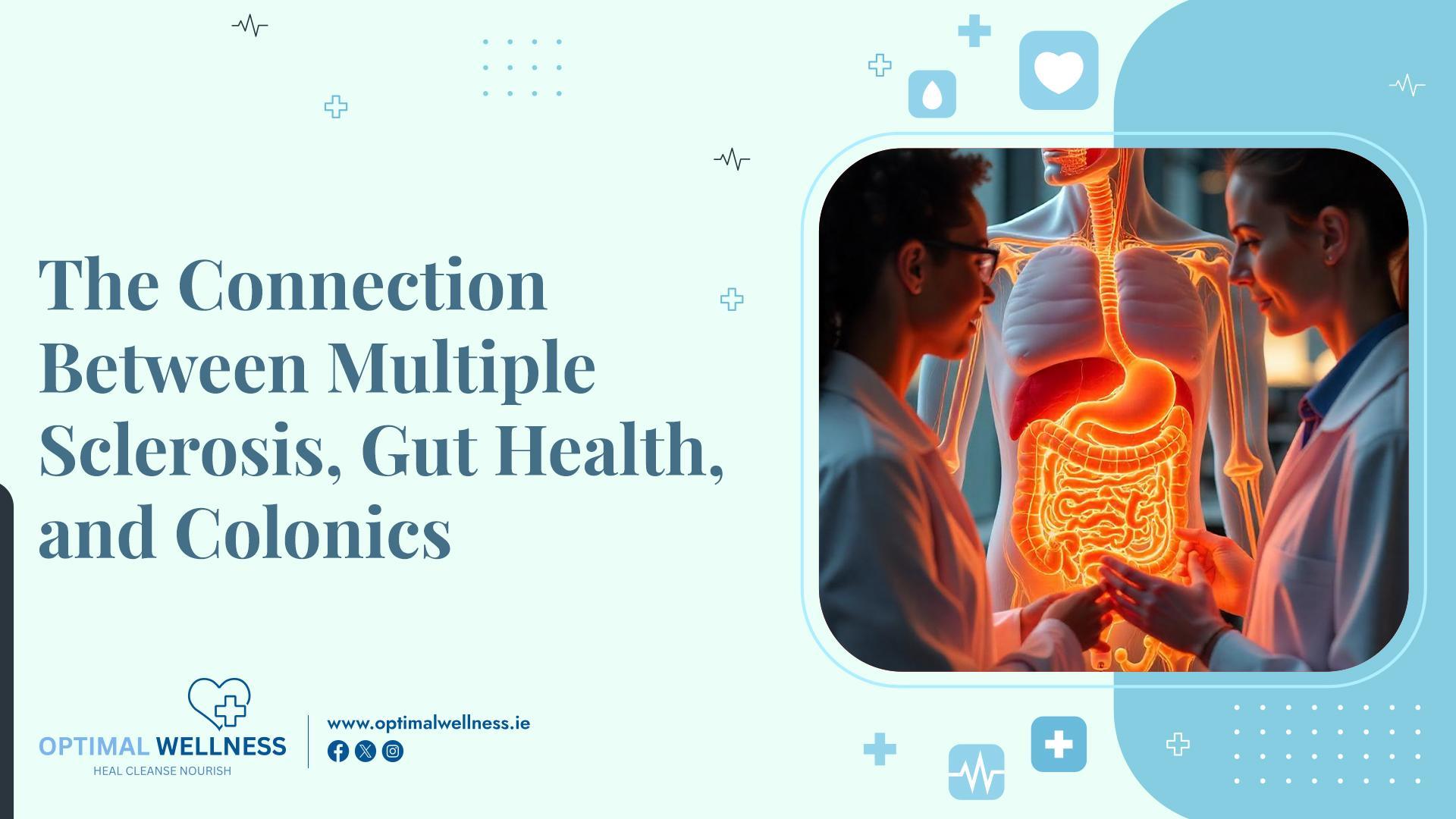
The Connection Between Multiple Sclerosis, Gut Health, and Colonics
- Gut Dysbiosis in MS
Many individuals with MS have been found to have an imbalanced gut microbiome, known as gut dysbiosis. This imbalance can lead to chronic inflammation and may trigger or worsen autoimmune conditions like MS. - Leaky Gut and Autoimmunity
A “leaky gut,” or increased intestinal permeability, allows toxins and undigested food particles to enter the bloodstream, potentially triggering immune system responses. This can exacerbate autoimmune conditions and contribute to the progression of MS. - Nutrient Absorption and Energy Levels
A healthy gut is essential for absorbing nutrients that support brain health, nerve function, and overall energy levels. Poor gut health can lead to deficiencies in vitamins and minerals like B12, magnesium, and vitamin D, which are vital for managing MS symptoms.
How Colon Hydrotherapy Supports Gut Health
Colon hydrotherapy, or colonics, involves the gentle infusion of warm, filtered water into the colon to cleanse the bowel of toxins, waste, and harmful bacteria. While not a cure for MS, colonics can support gut health in ways that may benefit individuals with the condition.
- Detoxification
Colonics help remove built-up waste and toxins from the colon, which can reduce the overall toxic load on the body. This may ease inflammation and improve the functioning of the gut microbiome. - Encouraging Regularity
Many people with MS experience digestive issues, including constipation, due to reduced mobility or nerve dysfunction. Colonics can help improve bowel regularity, supporting a more balanced gut environment. - Creating a Clean Slate for Probiotics
By clearing out harmful bacteria and waste, colon hydrotherapy creates an environment where beneficial probiotics can thrive. This can be particularly important for individuals with MS who are looking to rebalance their microbiome. - Reducing Inflammation
Toxins in the gut can contribute to systemic inflammation, which is a driving factor in MS. Colonics may help lower inflammation by removing irritants and promoting better gut function.
Nutrition, Gut Health, and MS
While colonics can be a helpful tool, they work best when paired with a gut-friendly diet. Here are some dietary tips to support gut health and manage MS symptoms:
- Prioritize Probiotics and Prebiotics
- Probiotic-rich foods like yogurt, kefir, sauerkraut, and kimchi help restore balance to the gut microbiome.
- Prebiotic foods like garlic, onions, bananas, and asparagus feed beneficial gut bacteria.
- Reduce Inflammatory Foods
Avoid processed foods, refined sugars, and artificial additives, as these can increase inflammation. Opt for whole, anti-inflammatory foods like leafy greens, fatty fish, and berries. - Increase Fibre Intake
A diet high in fibre from fruits, vegetables, and whole grains promotes regular bowel movements and supports a healthy gut microbiome. - Stay Hydrated
Proper hydration is essential for gut health and can also help alleviate constipation, a common issue for individuals with MS. - Consider Supplementation
Supplements like omega-3 fatty acids, vitamin D, and magnesium can support nerve and gut health. Always consult a healthcare professional before starting new supplements.
The Mind-Body Connection
Living with MS often means managing stress, which can have a direct impact on gut health. Practices like mindfulness, meditation, and yoga can help regulate stress levels, benefiting both the brain and the gut. Combined with colonics and a gut-healthy diet, these practices can contribute to an overall sense of well-being.
The link between MS, gut health, and colonics highlights the importance of taking a holistic approach to wellness. By supporting gut health through proper nutrition, hydration, and therapies like colon hydrotherapy, individuals with MS may find relief from digestive symptoms, reduced inflammation, and improved quality of life. Get in touch with Optimal Wellness to know more.