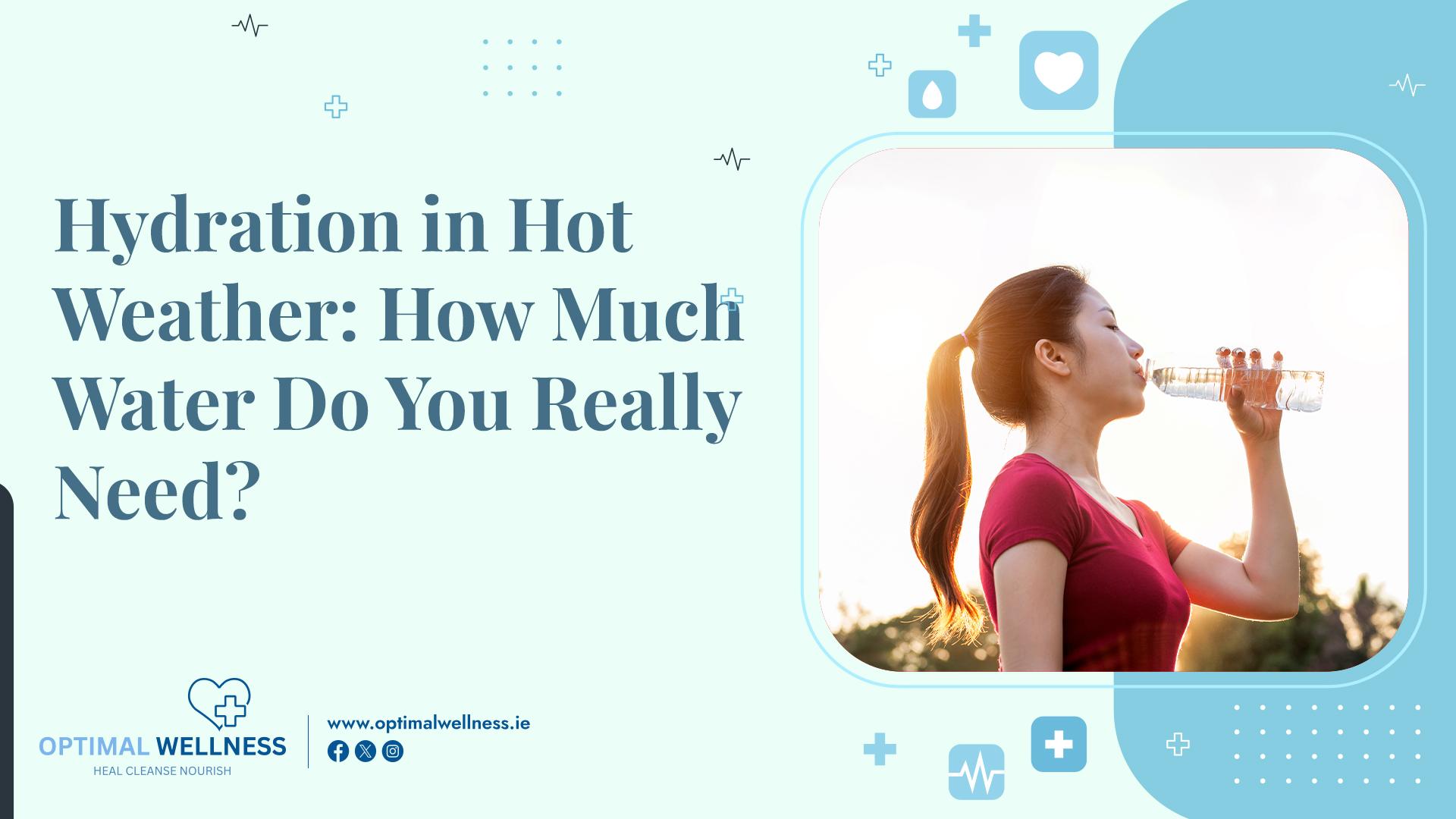
We all know that drinking water is important.
But when temperatures rise, hydration becomes even more relevant.
Whether you’re spending the day outdoors, exercising, travelling, working in a warm environment or simply enjoying a sunny August afternoon, your body needs enough fluid to function properly.
And while “drink more water” sounds simple, hydration is a little more nuanced than carrying a giant water bottle everywhere you go.
How much do you actually need? Does coffee count? What about electrolytes? What are the signs you’re dehydrated? And should you really wait until you’re thirsty?
Let’s take a closer look.
Why hydration matters
Water is involved in many essential processes throughout the body.
It helps regulate body temperature, supports circulation, assists digestion and contributes to normal physical and cognitive function.
When you’re exposed to hot conditions, your body works harder to regulate its temperature. Sweating helps cool you down, but it also means you’re losing fluid.
The risk becomes greater when heat is combined with exercise, prolonged outdoor activity or inadequate fluid intake.
The HSE notes that hot weather can increase the risk of dehydration, heat exhaustion and heatstroke, particularly among people who are more vulnerable to heat.
How much water should you drink?
There isn’t one perfect amount that applies to every person, every day.
Fluid requirements can vary according to factors including body size, activity level, weather, diet, illness and individual circumstances.
The HSE’s hot-weather guidance states that adults generally need around 2 litres of water over 24 hours, although requirements can differ and more fluid may be needed when you’re dehydrated or exposed to heat.
Rather than becoming obsessed with a precise number, think about hydration as something to maintain throughout the day.
Don’t wait until you’re extremely thirsty before reaching for a drink.
A useful habit is to drink regularly, particularly during warm weather and around physical activity.
Your body gives you clues
One simple way to pay attention to hydration is to notice your urine colour.
The HSE advises aiming for pale-coloured urine as one indication of good hydration.
Other possible signs of dehydration can include:
- Feeling thirsty
- Dry mouth
- Headache
- Dizziness
- Tiredness
- Darker urine
- Reduced urination
More significant dehydration can become serious.
Heat exhaustion can involve symptoms such as dizziness, headache, nausea, excessive sweating, weakness and muscle cramps.
If someone becomes seriously unwell in hot conditions, seek appropriate medical help.
Do you need to wait until you’re thirsty?
Not necessarily.
Thirst is useful, but in hot conditions the HSE recommends drinking water regularly, even if you don’t feel thirsty.
This is particularly important when you’re:
- Exercising
- Spending extended periods outdoors
- Working in hot environments
- Travelling in warm weather
- Looking after young children
- Caring for older adults
Make hydration automatic rather than something you have to remember.
Does tea and coffee count?
Water is the simplest choice, but fluids don’t only come from a glass of plain water.
Tea, coffee, milk and other drinks contribute to overall fluid intake.
However, if you’re particularly active or spending time in hot weather, water is an easy and practical choice.
And remember that alcohol is different.
Alcohol can contribute to dehydration, and the HSE advises avoiding excessive alcohol during hot weather.
If you’re drinking alcohol, consider alternating alcoholic drinks with water and pay particular attention to hydration before and after social occasions.
What about electrolytes?
Electrolytes such as sodium and potassium are minerals involved in fluid balance and other functions in the body.
Electrolyte drinks have become increasingly popular, particularly in the fitness and wellness world.
But they’re not automatically necessary for everyone.
For everyday hydration, water and a balanced diet are generally the foundation.
Electrolytes may have a role in specific circumstances, such as prolonged or intense exercise or significant fluid losses. If you’re unsure whether you need them, particularly if you have a medical condition or take medication, speak with a healthcare professional or pharmacist.
The goal isn’t to turn hydration into another complicated wellness project.
Food can contribute to hydration too
Hydration isn’t only about what you drink.
Many foods contain significant amounts of water.
Summer is a particularly good time to include foods such as:
- Watermelon
- Strawberries
- Oranges
- Grapes
- Cucumber
- Tomatoes
- Lettuce
- Courgettes
- Soups and broths
- Natural yoghurt
These foods also provide nutrients and can make meals feel lighter during warmer weather.
Try adding berries to yoghurt, cucumber and tomato to a salad, or fruit alongside breakfast.
Hydration and exercise
If you’re exercising during hot weather, hydration deserves additional attention.
Try to avoid the hottest part of the day where possible. The HSE recommends avoiding prolonged exposure to direct sun during the hottest period, generally between 11am and 3pm.
Consider exercising early in the morning or later in the evening.
Wear lightweight clothing.
Take water with you.
And don’t ignore symptoms such as dizziness, nausea, weakness, headache or unusual fatigue.
The HSE specifically recommends avoiding extreme exercise during hot weather.
A training session is not worth pushing through signs that your body is struggling with the heat.
Keeping children hydrated
Children can be particularly vulnerable during hot weather.
Encourage regular drinks rather than relying entirely on them to remember.
Water should be easily available throughout the day.
The same applies to older adults, who may not always experience thirst as strongly.
The HSE recommends checking that older adults and young children are drinking enough fluids during hot weather.
Don’t forget your home environment
Hydration is only one part of staying comfortable in hot weather.
The HSE recommends keeping homes cool by closing curtains or blinds during the day and opening windows when the air is cooler in the evening or overnight.
If possible, avoid unnecessary heat-producing appliances and spend time in the coolest areas of your home.
Make hydration easier
If you struggle to drink enough, don’t rely on willpower.
Create reminders.
Keep water visible.
Use a bottle you enjoy carrying.
Drink with meals.
Have water when you wake up.
Keep a bottle beside your desk.
Take one with you when leaving the house.
You can also make water more appealing with:
- Lemon
- Lime
- Mint
- Cucumber
- Fresh berries
There’s no need to make hydration complicated.
The August hydration challenge
For the rest of August, try this simple approach:
Morning: Have water when you wake up.
During the day: Keep water nearby and drink regularly.
With meals: Make water your default drink.
Exercise: Bring water and consider the temperature and intensity of your workout.
Evening: Continue drinking regularly rather than trying to consume a large amount at once.
Most importantly, pay attention to how you’re feeling.
Good hydration should be part of your everyday routine, not something you only think about during a heatwave.
A final reminder
Summer is supposed to be enjoyed.
Hydration isn’t about restricting yourself from enjoying holidays, meals out or sunny afternoons. It’s about giving your body what it needs so that you can enjoy them comfortably and safely.
Keep water close.
Take breaks from the heat.
Look out for people who may be more vulnerable.
And listen to your body.
At Optimal Wellness, we believe that some of the most powerful health habits are also the simplest. Staying hydrated is one of them.
This article provides general health information and should not replace individual medical advice. If you have a medical condition, are taking medication or are concerned about dehydration or heat-related illness, seek advice from an appropriately qualified healthcare professional.