
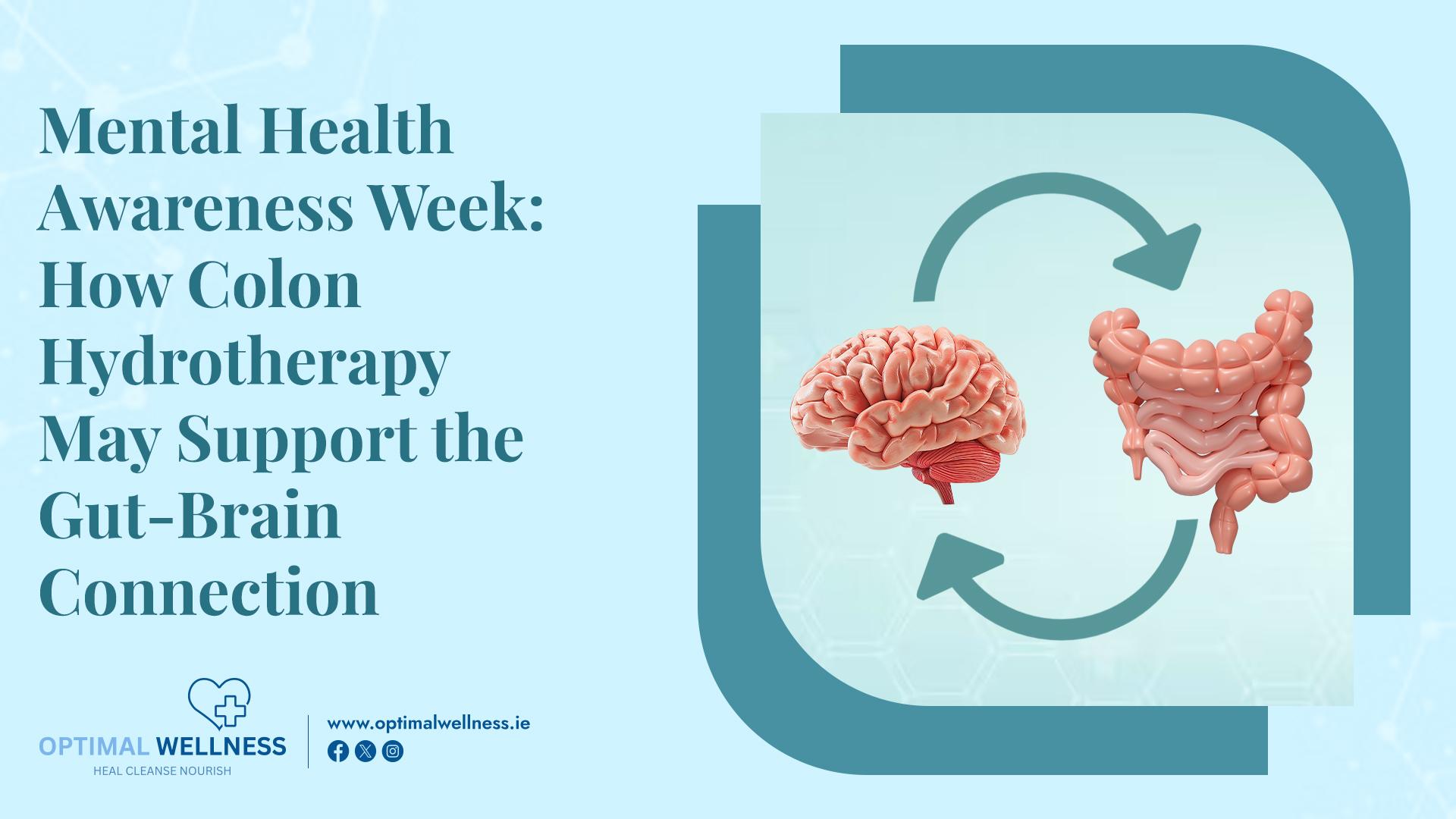
When people think about mental health, they rarely think about the gut.
Yet emerging research continues to explore the powerful relationship between digestive health and emotional wellbeing. Scientists now refer to the gut as the “second brain” because of the constant communication between the digestive system and the nervous system.
Mental Health Awareness Week is the ideal time to discuss how stress, digestion, and lifestyle habits are deeply interconnected.
The Gut-Brain Axis
The gut and brain communicate through nerves, hormones, and chemical messengers.
In fact, around 90% of serotonin — often referred to as the “happy hormone” — is produced in the gut.
Did you know? Your digestive tract contains over 100 million nerve cells.
Stress can directly affect digestion by slowing stomach emptying, increasing bloating, altering gut bacteria, and changing bowel habits.
How Stress Impacts Digestion
When stressed, the body enters fight-or-flight mode.
This can lead to:
- Constipation
- Diarrhoea
- Bloating
- Acid reflux
- IBS symptoms
- Cravings
Many people notice digestive flare-ups during stressful periods.
Emotional Eating and Gut Health
Busy lifestyles and emotional stress often lead to convenience foods, sugar cravings, caffeine dependence, and alcohol intake.
Unfortunately, these habits may disrupt gut bacteria and contribute to inflammation.
Mood-Supportive Foods:
- Oily fish
- Walnuts
- Eggs
- Dark leafy greens
- Blueberries
- Fermented foods
Could Colon Hydrotherapy Help?
Many clients report feeling lighter, calmer, and less bloated after treatments.
Colon hydrotherapy may encourage awareness around hydration, nutrition, and healthy elimination habits.
It can also provide a sense of self-care and wellness during stressful periods.
Foods That Feed Healthy Gut Bacteria
Beneficial bacteria thrive on fibre.
Top prebiotic foods include:
- Onions
- Garlic
- Leeks
- Bananas
- Oats
- Chicory root
Fermented foods provide beneficial bacteria:
- Kefir
- Sauerkraut
- Kimchi
- Miso
Quirky Fact: Your gut bacteria can influence food cravings.
Stress-Reducing Lifestyle Tips
- Spend time outdoors
- Practice deep breathing
- Walk daily
- Reduce screen time before bed
- Prioritise sleep
- Eat meals slowly
Supplements for the Gut-Brain Axis
- Magnesium glycinate
- Omega-3 fish oils
- Probiotics
- L-theanine
- B-complex vitamins
Sleep and Digestion
Poor sleep affects hunger hormones and digestion.
Lack of sleep may increase cravings for sugary foods and reduce healthy gut diversity.
Sleep-Supportive Foods:
- Kiwi fruit
- Pumpkin seeds
- Turkey
- Chamomile tea
Hydration Matters
Dehydration slows digestion and may worsen fatigue.
Aim for filtered water throughout the day.
Try adding:
- Lemon
- Mint
- Cucumber
- Ginger
Mental Health Awareness Week
Mental health and digestive health are more connected than many people realise.
Supporting gut health through nutrition, hydration, stress management, movement, and therapies like colon hydrotherapy may help support overall wellbeing.
Taking care of your digestion is another powerful form of self-care. Get in touch with Optimal Wellness today!