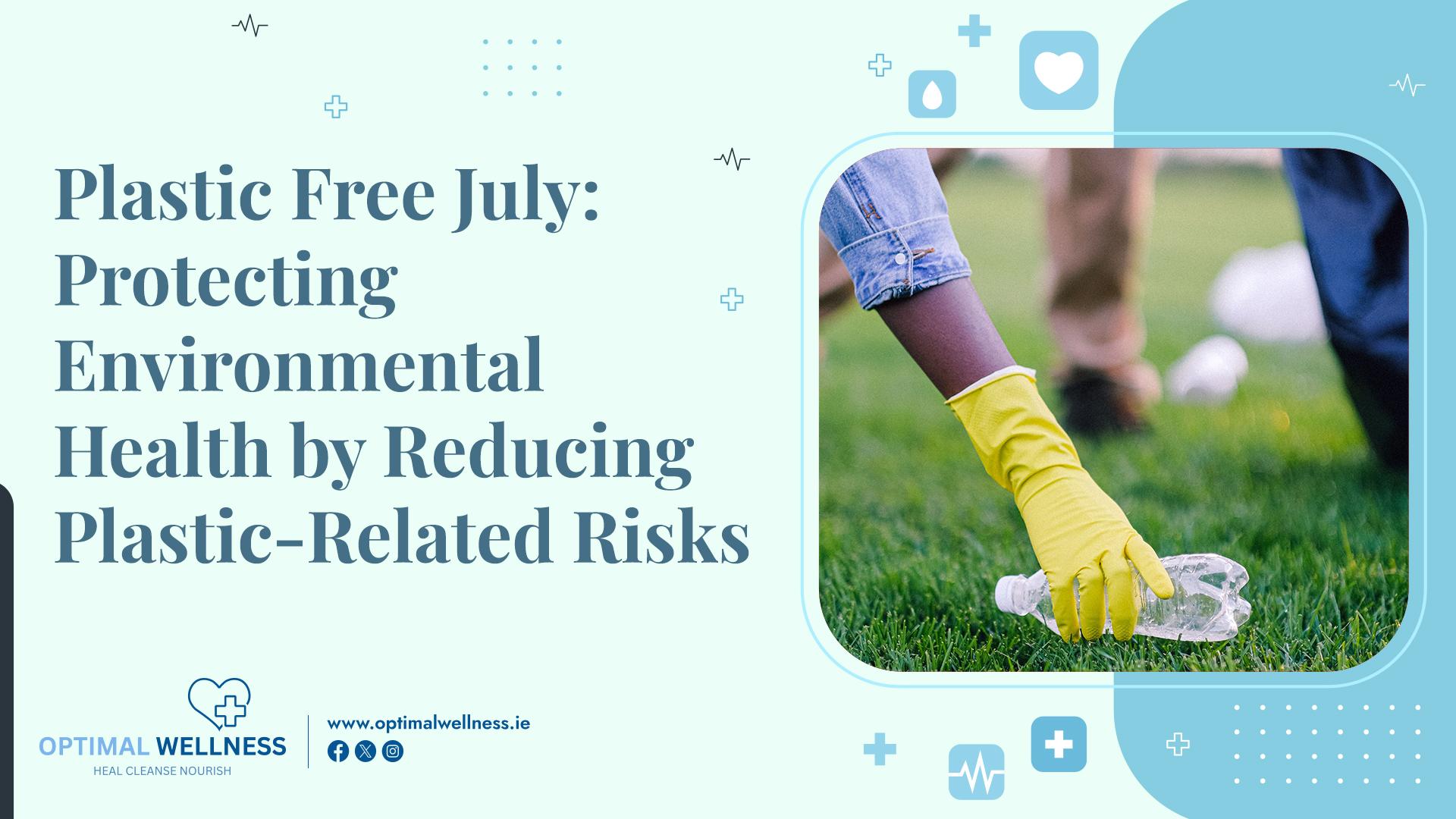
Every year, Plastic Free July encourages people, communities, and organisations around the world to rethink their relationship with plastic and take action to reduce plastic waste. What began as a small movement has grown into a global effort to protect our environment, improve public health, and create more sustainable habits.
Plastic is a convenient material that has transformed modern life, but its widespread use has created serious environmental and health challenges. From polluted oceans to microplastics entering our food chain, the impact of plastic waste reaches far beyond what we see.
The Connection Between Plastic and Health
Plastic pollution is not only an environmental issue — it is also a public health concern. Many plastic products break down over time into tiny particles called microplastics, which have been found in water, food, air, and even human tissues. Researchers continue to study the long-term effects of microplastic exposure, including possible links to inflammation, chemical exposure, and other health risks.
Some plastics also contain chemicals that may affect human health. Substances used to make plastics flexible, durable, or resistant to heat can migrate into food and drinks, especially when plastics are exposed to heat or used repeatedly.
Reducing unnecessary plastic use is one way individuals and communities can help lower potential exposure while protecting the natural systems that support our health.
How Plastic Pollution Affects Environmental Health
A healthy environment is essential for human wellbeing. Plastic waste can:
- Pollute oceans and waterways: Millions of tonnes of plastic enter marine environments every year, harming wildlife and disrupting ecosystems.
- Damage food systems: Plastic pollution affects marine life and can introduce plastic particles into the food chain.
- Contribute to climate change: Producing and disposing of plastic requires fossil fuels and creates greenhouse gas emissions.
- Create waste management challenges: Single-use plastics often end up in landfills, are burned, or leak into the environment.
When ecosystems are damaged, there can be consequences for clean water, safe food supplies, and community health.
Simple Ways to Take Part in Plastic Free July
Small changes can create a big collective impact. During Plastic Free July, consider:
1. Choose Reusable Alternatives
Swap single-use items for reusable options:
- Carry a reusable water bottle
- Use reusable shopping bags
- Bring a coffee cup or food container when possible
2. Reduce Single-Use Plastics
Avoid unnecessary plastic packaging by choosing:
- Loose fruits and vegetables
- Products with minimal packaging
- Refillable household and personal care products
3. Recycle Correctly
Recycling helps keep valuable materials in circulation, but it works best when items are cleaned, sorted, and placed in the correct recycling streams.
4. Support Sustainable Businesses
Choosing companies that reduce packaging, use recycled materials, or offer refill options helps encourage wider change.
5. Make Sustainable Habits Last
Plastic Free July is not just about one month. It is an opportunity to build habits that continue throughout the year.
Creating Healthier Communities
Reducing plastic use is a shared responsibility. Individuals, businesses, and governments all have a role in creating systems that make sustainable choices easier and more accessible.
By reducing plastic waste, we can help protect wildlife, preserve natural resources, and support healthier environments for current and future generations.
This Plastic Free July, every small action matters. Choosing a reusable item, refusing unnecessary plastic, or encouraging others to make changes can contribute to a cleaner, healthier planet.
A healthier environment starts with the choices we make today. Visit Optimal Wellness today!