
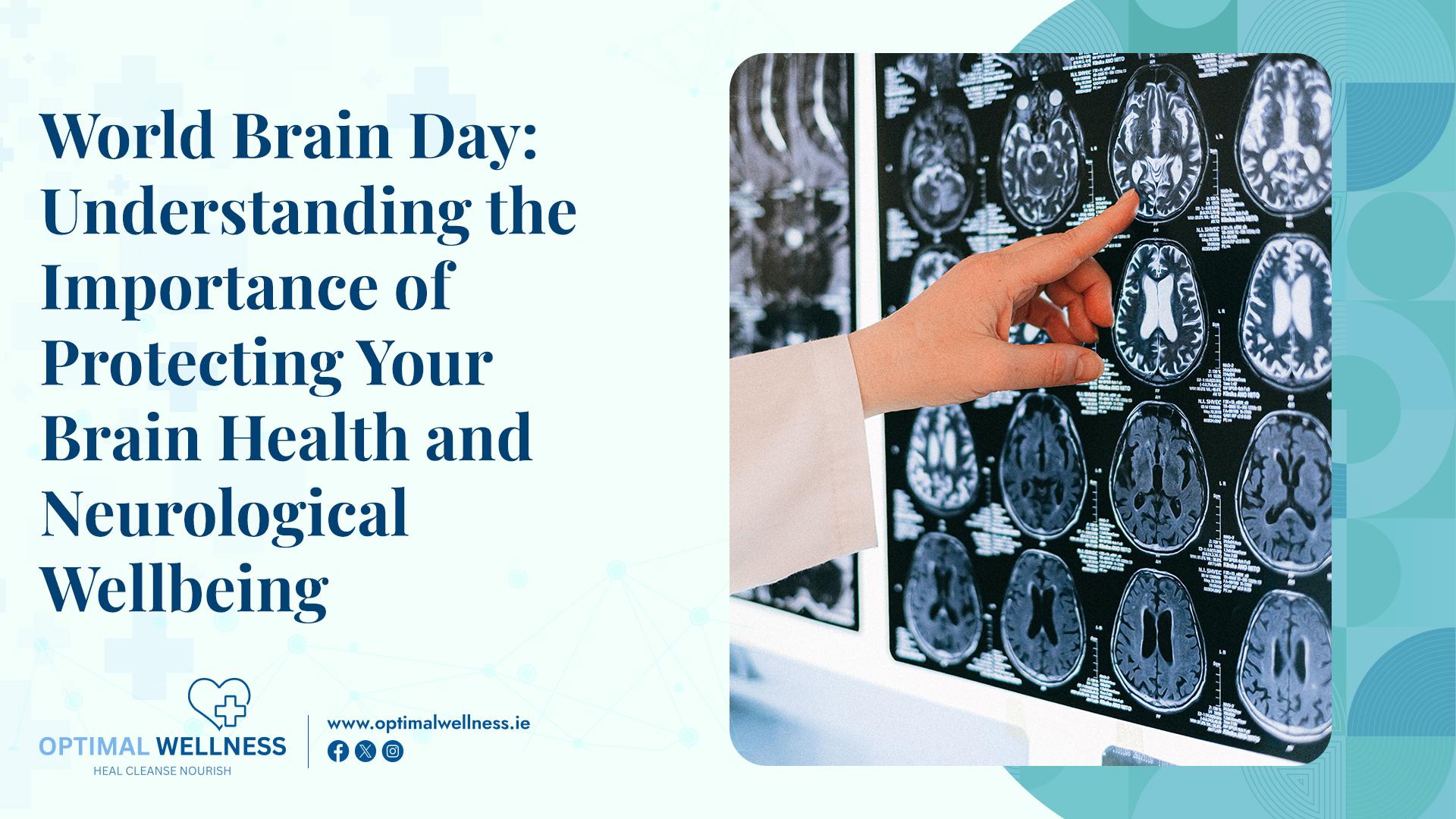
The brain is the control centre of everything we experience, from our thoughts and emotions to movement, memory, learning and decision making. World Brain Day, recognised each year on July 22, is an important opportunity to raise awareness about neurological health and encourage people to take proactive steps towards protecting their brain wellbeing.
At Optimal Wellness, we believe that caring for your brain is just as important as caring for your physical health. A healthy brain supports a healthier life by influencing how we manage stress, connect with others, maintain focus and adapt to everyday challenges. Understanding the connection between lifestyle choices and neurological wellbeing can help individuals make informed decisions that support long term health.
Brain health is often overlooked until concerns arise, yet many daily habits can influence cognitive function and neurological resilience. Nutrition, sleep quality, physical activity, stress management and emotional wellbeing all play an important role in maintaining a healthy brain throughout life.
World Brain Day provides a reminder that neurological health deserves attention at every stage of life. Whether you are looking to improve concentration, support memory, maintain mental clarity or simply create healthier lifestyle habits, protecting your brain should be an essential part of your overall wellness routine.
The Purpose Behind World Brain Day
World Brain Day was established to increase awareness of neurological conditions and highlight the importance of brain health worldwide. The day encourages education, prevention and greater understanding of the many factors that influence neurological wellbeing.
Neurological health refers to the wellbeing of the nervous system, including the brain, spinal cord and nerves that control the body’s functions. The nervous system affects almost every aspect of daily life, including movement, communication, emotions, learning and physical coordination.
Many neurological conditions can impact individuals and families, making awareness and early attention to brain health incredibly important. While some neurological conditions may involve genetic or medical factors, research continues to highlight the significant role that lifestyle choices can play in supporting brain function and overall health.
Taking care of your brain is not only about preventing illness. It is also about enhancing everyday performance, improving emotional balance and supporting a better quality of life.
How Lifestyle Choices Influence Brain Health
The brain requires consistent care and nourishment to function effectively. Just like the heart, muscles and other organs, the brain benefits from healthy lifestyle habits that provide protection and support.
Nutrition plays a vital role in brain health. The brain requires a steady supply of essential nutrients to support communication between brain cells, energy production and cognitive performance. A balanced diet that includes a variety of whole foods can contribute to overall neurological wellbeing.
Foods rich in vitamins, minerals, antioxidants and healthy fats can help support brain function. Staying hydrated is also important, as even mild dehydration can affect concentration, energy levels and mental clarity.
Physical activity is another powerful tool for supporting neurological health. Exercise increases blood flow throughout the body, including the brain, helping deliver oxygen and nutrients that support healthy brain function. Regular movement has also been associated with improved mood, better focus and enhanced cognitive wellbeing.
Exercise does not need to be intense to benefit brain health. Walking, stretching, yoga, cycling or other enjoyable forms of movement can contribute to a healthier nervous system and improved overall wellness.
The Connection Between Sleep and Brain Function
Sleep is one of the most important yet often neglected aspects of brain health. During sleep, the brain carries out essential processes that support memory, learning, emotional regulation and recovery.
Poor sleep quality can affect concentration, mood, decision making and energy levels. Over time, consistently inadequate sleep may place additional strain on the brain and overall health.
Creating healthy sleep habits can support neurological wellbeing. Maintaining a regular sleep schedule, developing a calming evening routine and creating an environment that encourages restful sleep can all contribute to better brain function.
Rest is not a sign of reduced productivity. It is an essential process that allows the brain and body to recover, repair and prepare for the demands of daily life.
Managing Stress for a Healthier Brain
Stress is a natural part of life, but prolonged stress can influence both mental and neurological wellbeing. When the body experiences ongoing stress, it can affect concentration, memory, emotional regulation and overall cognitive performance.
Learning effective stress management techniques can help protect brain health. Mindfulness practices, breathing exercises, relaxation techniques and spending time in nature can support a calmer nervous system.
Social connection also plays an important role in brain wellbeing. Positive relationships, meaningful conversations and community involvement can support emotional health and provide valuable protection against feelings of isolation.
Mental wellbeing and neurological health are closely connected. Taking care of your emotional needs is an important part of maintaining a balanced and resilient brain.
Keeping the Brain Active Through Lifelong Learning
The brain benefits from regular stimulation and continued learning. Engaging in new activities, developing skills and challenging yourself mentally can help support cognitive flexibility.
Lifelong learning does not need to involve formal education. Reading, learning a new hobby, playing music, exploring creative activities or discovering new interests can all provide valuable mental stimulation.
The brain has a remarkable ability to adapt and create new connections. This ability, known as neuroplasticity, highlights the importance of keeping the mind active throughout life.
A curious and engaged mind contributes to a sense of purpose and can support emotional wellbeing alongside cognitive health.
The Role of Emotional Wellness in Neurological Health
Emotional wellbeing is an essential part of overall brain health. The way we experience and manage emotions can influence how the brain responds to challenges, stress and daily experiences.
Practising self awareness allows individuals to recognise their emotions and understand their needs. This awareness can support healthier responses to difficult situations and improve emotional resilience.
Activities that encourage relaxation, creativity and personal reflection can help create balance. Taking time for yourself, setting healthy boundaries and engaging in activities that bring enjoyment all contribute to a healthier relationship between the mind and body.
Brain health is not only about memory and concentration. It is also about emotional balance, confidence, connection and the ability to experience life fully.
Simple Daily Habits to Support Brain Wellness
Supporting brain health does not require complicated changes. Small daily habits can have a meaningful impact when practised consistently.
Prioritising nourishing food, regular movement, quality sleep, stress management and mental stimulation creates a strong foundation for neurological wellbeing.
It is also important to listen to your body and recognise changes in your physical or mental health. Seeking professional guidance when concerns arise can support early understanding and appropriate care.
A proactive approach to brain health allows individuals to focus on prevention, awareness and creating habits that support wellbeing throughout life.
Why Brain Health Should Be Part of Your Wellness Journey
Wellness involves more than physical fitness or appearance. True wellbeing includes the health of your brain, emotions, nervous system and overall lifestyle.
At Optimal Wellness, we understand that every part of health is connected. Supporting brain health can improve energy, focus, emotional balance and quality of life.
World Brain Day is an opportunity to recognise the importance of neurological wellbeing and encourage positive action. By making conscious lifestyle choices, individuals can support their brain health and create a stronger foundation for the future.
Protecting your brain is one of the most valuable investments you can make. Every healthy choice, from getting enough rest to managing stress and staying mentally active, contributes to long term wellness.
Celebrating World Brain Day Every Day
While World Brain Day highlights the importance of neurological awareness on July 22, brain health deserves attention every day of the year.
Your brain works constantly to support every experience, decision and interaction. Giving it the care it needs is an essential part of living a healthier and more balanced life.
Through awareness, education and positive lifestyle choices, we can all take steps towards better neurological wellbeing. A healthier brain supports a healthier you, helping you think clearly, manage challenges and enjoy life with greater vitality.
Optimal Wellness is dedicated to supporting individuals on their journey towards improved health and wellbeing. By focusing on complete wellness that includes physical health, mental balance and neurological care, we can create sustainable habits that support lifelong wellbeing. Visit Optimal Wellness today!